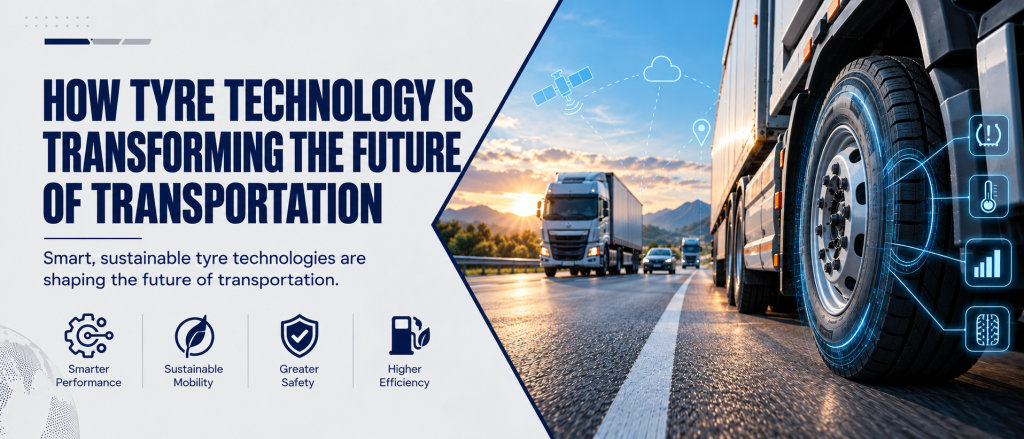
When we think about innovation in transportation, we often think about electric vehicles, autonomous fleets, or advanced drivetrains. However, one of the most important technological developments is taking place where the rubber meets the road — in tyre technology.
Tyres are no longer simply round pieces of rubber. Modern tyres are becoming smarter, stronger, and more sustainable. This transformation is influencing the global transportation ecosystem by supporting greater efficiency, safety, and environmental progress across different industries.
For tyre importers and fleet operators, these developments are changing what tyres can contribute to modern transportation. Here is how tyre technology is helping redefine the way the world moves.
Smarter Tyres and Real-Time Data
The future of tyre performance is increasingly connected to data-driven intelligence. Modern tyres are being developed with embedded sensors capable of monitoring pressure, temperature, and tread wear in real time.
For fleet operators, this goes beyond convenience. It supports predictive maintenance by providing information that can help identify tyres requiring attention before a failure occurs.
These insights can help reduce downtime, prevent accidents, and extend tyre life cycles.
When connected through telematics systems, smart tyres can also help logistics teams optimize fuel usage, monitor road conditions, and improve overall operational efficiency.
What was once routine tyre maintenance is becoming a more intelligent management process.
Tyre Technology for Electric Vehicles
The growth of electric mobility has changed the requirements placed on tyres. EVs are generally heavier because of their batteries and produce instant torque, creating additional stress on tyres during operation.
To meet these requirements, manufacturers are developing tyres with:
- Lower rolling resistance for better energy efficiency
- Reinforced structures to handle higher loads
- Noise-reducing compounds for quieter drives
These EV-specific designs can help extend range, improve driving comfort, and support the continued transition toward electric transportation.
This makes tyre technology an important part of the EV revolution.
Building More Sustainable Tyres
Sustainability has become a major priority across the global tyre industry, encouraging manufacturers to invest in eco-friendly materials and production processes.
Innovations include bio-based rubbers, natural oils, and silica derived from rice husks, helping reduce dependence on non-renewable resources.
Retreading technologies are also helping fleets extend tyre life, reduce waste, and lower environmental impact while controlling operating costs.
These developments support global ESG objectives while also providing practical economic benefits for businesses focused on long-term sustainable growth.
Airless and Self-Healing Tyres
The next generation of tyre innovation is already being developed.
Airless or non-pneumatic tyres are designed to eliminate punctures, potentially providing durability and zero-maintenance advantages for fleet operations.
At the same time, self-healing compounds are being tested to automatically seal small punctures, helping reduce downtime and repair costs.
These technologies are expanding the possibilities for reliability across both commercial and passenger applications.
Tyres and the Future of Autonomous Transportation
As vehicles become increasingly autonomous, tyres can become important sensory components within the vehicle system.
They can provide real-time information about traction, road texture, and wear to onboard systems.
For self-driving fleets, this information can support safer and more adaptive performance across different road and weather conditions.
Tyres that were once passive components are increasingly becoming active contributors to vehicle intelligence, creating a connection between the physical road and digital control systems.
Moving Toward the Future of Mobility
Tyres may not receive the same attention as EV batteries or AI-driven systems, but they remain at the foundation of transportation.
The combination of smart technology, sustainable materials, and advanced engineering is transforming tyres into high-performance assets capable of delivering more than movement — they can also provide greater insight and efficiency.
For tyre importers and fleet operators, understanding these developments is becoming increasingly important as transportation continues to evolve.
Looking to source advanced tyres designed for the future of mobility? Connect with Aquila for next-generation, high-performance and sustainable tyre solutions.
FAQs
Modern tyre technology is making tyres smarter, more durable, efficient, connected, and sustainable.
Smart tyres use embedded sensors to monitor information such as pressure, temperature, and tread wear in real time.
EVs are heavier due to their batteries and produce instant torque, creating additional demands on tyre performance.
Airless or non-pneumatic tyres are designed without conventional air pressure and aim to provide greater durability and reduced maintenance.
Bio-based materials, sustainable production processes, and retreading technologies can help reduce resource use and tyre waste.