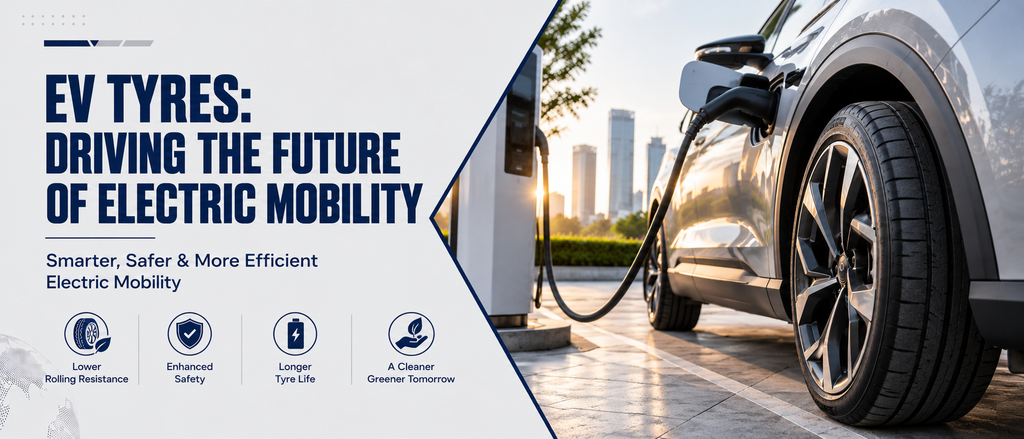
The global shift toward electric vehicles (EVs) is transforming the automotive industry at an unprecedented pace. While batteries and charging infrastructure often dominate the conversation, one critical component is equally responsible for an EV’s performance—the tyres.
Unlike conventional passenger car tyres, EV tyres are specifically engineered to support the unique demands of electric vehicles. From handling instant torque to carrying heavier battery packs, they play a significant role in maximising efficiency, safety, and driving comfort.
At Aquila Tyre, we understand how tyre innovation is shaping the future of transportation and helping businesses stay ahead in the evolving automotive market.
The Global Rise of Electric Vehicles
Electric vehicle adoption continues to accelerate across the world as governments, manufacturers, and consumers embrace cleaner transportation solutions. Industry reports indicate that EV sales now account for a growing share of new vehicle registrations, with further expansion expected over the coming years. China remains the world’s largest EV market, driving both production and exports globally.
As EV production increases, demand for purpose-built tyres is growing alongside it.
Why Electric Vehicles Need Specialized Tyres
Electric vehicles operate differently from traditional fuel-powered cars. Their design creates new performance requirements that ordinary passenger tyres are not optimised to handle.
EV tyres are engineered to address several key challenges:
- Higher vehicle weight caused by battery packs
- Instant motor torque during acceleration
- Lower rolling resistance for improved driving range
- Reduced road noise for quieter cabins
- Enhanced grip and stability under heavier loads
These improvements help deliver a more efficient and comfortable driving experience while supporting the long-term reliability of electric vehicles.
Conventional PCR Tyres vs. EV Tyres
| Feature | Standard PCR Tyres | EV Tyres |
| Load Capacity | Designed for conventional vehicles | Reinforced for heavier EV battery weight |
| Torque Handling | Standard performance | Built to withstand instant electric torque |
| Rolling Resistance | Moderate | Optimized to improve driving range |
| Noise Control | Standard | Advanced tread design for quieter operation |
| Durability | Suitable for normal driving | Engineered for demanding EV conditions |
| Technology | Traditional construction | Advanced materials and performance-focused compounds |
Choosing tyres specifically designed for electric vehicles allows drivers to achieve better efficiency without compromising safety or handling.
Benefits of EV Tyres
Modern EV tyres provide advantages that extend well beyond basic road performance.
Improved Energy Efficiency
Lower rolling resistance reduces the amount of energy required to move the vehicle, helping drivers maximise every battery charge.
Better Handling
Electric motors generate maximum torque instantly. EV tyres feature reinforced construction to improve grip, stability, and steering response during acceleration.
Quieter Driving Experience
Because electric vehicles produce very little engine noise, road noise becomes more noticeable. Many EV tyre designs incorporate noise-reducing tread patterns and advanced construction to create a smoother, quieter ride.
Enhanced Safety
Stronger sidewalls and optimised tread compounds improve braking performance and stability, particularly under the additional weight of EV battery systems.
Challenges Facing EV Tyre Technology
Although EV tyres offer clear advantages, manufacturers continue working to overcome several industry challenges:
- Higher manufacturing costs due to advanced materials
- Increased tyre wear caused by instant torque and heavier vehicles
- Greater focus on sustainable production and recycling methods
- Balancing efficiency, durability, and performance
Continuous innovation is helping address these issues while improving tyre longevity and environmental sustainability.
What the Future Holds for EV Tyres
The next generation of EV tyre technology is expected to introduce even greater levels of intelligence and efficiency.
Emerging developments include:
- Smart tyres with embedded sensors for real-time monitoring
- Sustainable rubber compounds that reduce environmental impact
- Airless tyre technology for increased durability
- AI-powered tyre monitoring for predictive maintenance
These innovations will support safer driving, lower operating costs, and improved fleet management as electric mobility continues to expand.
Why Businesses Should Prepare Now
As more countries invest in electric mobility, importers, distributors, and fleet operators will increasingly require tyres specifically designed for EV applications.
Partnering with a reliable tyre supplier ensures access to advanced products that meet evolving market demands while maintaining high standards of quality, safety, and performance.
At Aquila Tyre, we are committed to supplying dependable tyre solutions that support the changing needs of modern transportation and help businesses remain competitive in the years ahead.
Final Thoughts
Electric vehicles are reshaping the future of transportation, and tyre technology is evolving alongside them. Specialised EV tyres are no longer a niche product—they are becoming an essential part of delivering longer driving range, improved safety, enhanced comfort, and reliable performance.
Whether you’re a distributor, fleet operator, or automotive business, understanding the importance of EV tyre technology today will help you prepare for tomorrow’s mobility landscape.
FAQs
1. What makes EV tyres different from regular tyres?
EV tyres are designed to support heavier vehicles, handle instant electric torque, reduce rolling resistance, and minimise road noise.
2. Do electric vehicles require special tyres?
While standard tyres can be fitted, EV-specific tyres provide better efficiency, handling, durability, and overall driving performance.
3. How do EV tyres improve battery range?
Their low rolling resistance reduces energy loss, allowing vehicles to travel farther on a single battery charge.
4. Why do EV tyres wear differently?
Electric vehicles generate immediate torque and often weigh more because of their battery packs, placing additional stress on the tyres.
5. What trends are shaping the future of EV tyres?
Smart tyre technology, sustainable materials, embedded sensors, AI monitoring, and airless tyre designs are expected to drive the next wave of innovation.