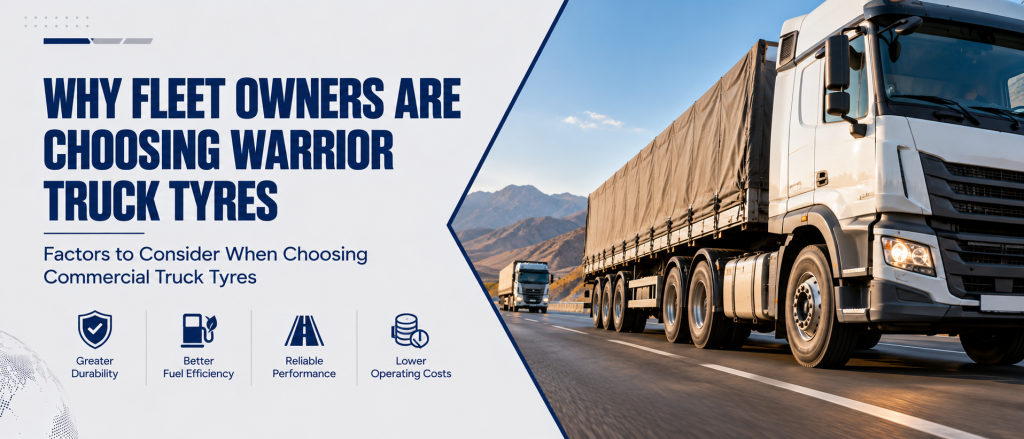
For transport businesses, profitability depends on more than moving cargo. Controlling operating costs, maintaining delivery schedules and reducing unnecessary downtime are equally important.
Tyre selection plays a significant role in fleet operations. The right TBR tyres should match vehicle load requirements, axle position, road conditions and expected mileage.
Rather than focusing only on the initial purchase price, fleet owners increasingly consider durability, fuel efficiency and cost per kilometre when evaluating commercial tyres.
The Real Cost of Truck Tyres
A truck tyre is more than a replacement component. Its performance can influence maintenance requirements, vehicle availability and operating expenses.
Tyres that wear prematurely or fail unexpectedly can cause roadside delays, disrupt delivery schedules and increase costs. This is why fleet operators should evaluate the expected operating value of a tyre instead of comparing purchase prices alone.
The Challenges of Long-Haul Transportation
Commercial trucks operating across Africa, the Middle East and Asia may encounter high temperatures, heavy loads, long driving hours and varied road conditions.
These demands can increase the risk of heat buildup, uneven tread wear, sidewall damage and premature tyre failure.
Selecting tyres suited to the vehicle, load and route is therefore essential for maintaining reliable fleet operations.
Why Warrior Truck Tyres Deserve Consideration
Warrior offers commercial TBR tyres for transport applications where durability and dependable performance are important considerations.
The source material highlights features such as:
- Reinforced carcass construction
- Heat-resistant tread compounds
- Durable bead structures
- Engineered tread designs
- Load-carrying capability
These features are intended to support commercial tyre performance under demanding conditions. Actual results depend on the specific tyre pattern, vehicle, loading, road conditions and maintenance practices.
Fuel Efficiency and Cost per Kilometre
Fuel is a major expense for transport businesses. Tyre rolling resistance can influence fuel consumption, making tyre selection relevant to fleet operating costs.
Fleet owners should compare tyre specifications, expected service life, maintenance requirements and purchase price when assessing cost per kilometre. Even without guaranteed savings, evaluating these factors provides a more complete picture of a tyre’s potential value.
What Fleet Owners and Importers Should Evaluate
When selecting commercial tyres, businesses should consider:
- Application: Match the tyre pattern to the axle position and route.
- Load requirements: Confirm that load and speed ratings suit the vehicle’s operating conditions.
- Durability: Review construction, tread design and suitability for the working environment.
- Supply reliability: Consider product availability and consistency when planning fleet purchases.
- Total operating cost: Assess purchase price alongside expected tyre life, maintenance and downtime.
Warrior may be worth evaluating for businesses seeking TBR options for commercial transportation. Buyers should confirm the specifications of each pattern against their requirements before ordering.
Conclusion
For fleet operators, tyre selection is an operational decision that affects more than purchasing costs. Construction, load ratings, road suitability and maintenance all influence the value a tyre can deliver.
Warrior tyres offer an option for commercial buyers evaluating tyres for demanding transport applications. Choosing the right pattern for the fleet’s actual operating conditions is the key to making an informed decision.
Looking for TBR tyres for your fleet or market? Contact Aquila to discuss your requirements.
FAQs
TBR tyres are designed for truck and bus applications involving commercial loads and demanding operating conditions.
They should evaluate load requirements, axle position, road conditions, expected mileage and tyre specifications.
Tyre durability, rolling resistance, maintenance and service life can influence fuel expenses and cost per kilometre.
Warrior offers TBR tyres for commercial applications. Buyers should verify individual patterns and specifications before purchase.
Unexpected tyre failures can cause downtime, delay deliveries and increase operating expenses.